
Strength to run better
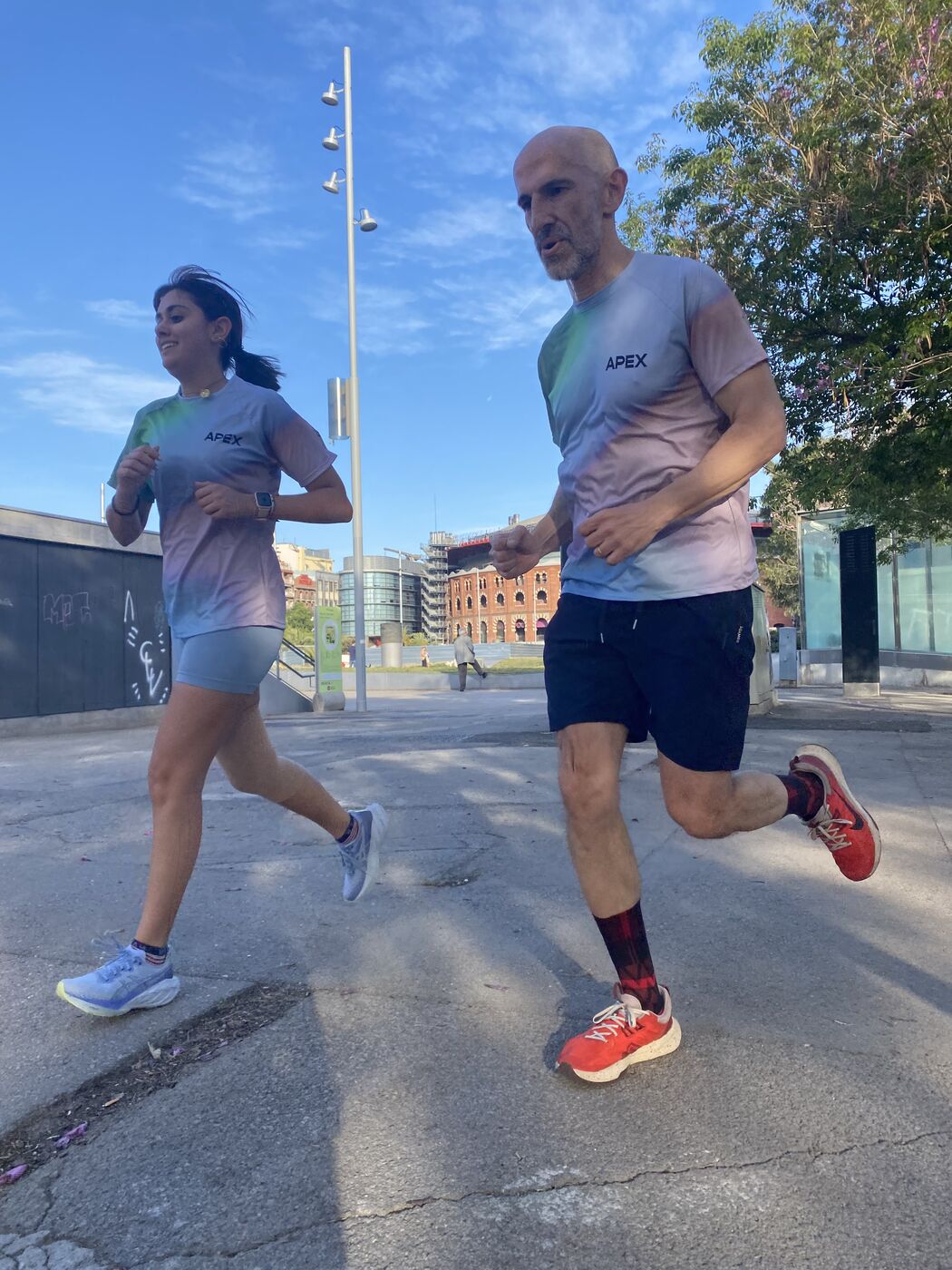
Whether you're preparing for your first race, a marathon or a trail run, we work on what the kilometres don't show: strength, technique, mobility and a plan that respects your pace.
- A study of your running and a biomechanical analysis.
- Strength work specific to runners.
- Planning in cycles towards your goal.
- Return-to-sport training if you're coming back from an injury.
- Coordinated with physiotherapy and nutrition.
Five common running mistakes
They're the ones we see most in runners of every level, and nearly all of them can be fixed with a little planning:
- Heading out without warming up. Your body needs preparation, mobility, technique and a little pace before you start.
- Thinking running is enough. Without glute strength, hip stability and strong foot muscles, your body can't take the impact in the long run.
- Always running at the same pace. It stalls your progress and can also injure you: you need easy zone 2 runs, zone 3, intervals and technique work.
- Adding kilometres too fast. Going from 5 to 20 km in two weeks isn't progress, it's risk: adaptation takes time.
- Not resting. More training isn't always better: some days call for rest or for changing the session you had planned.

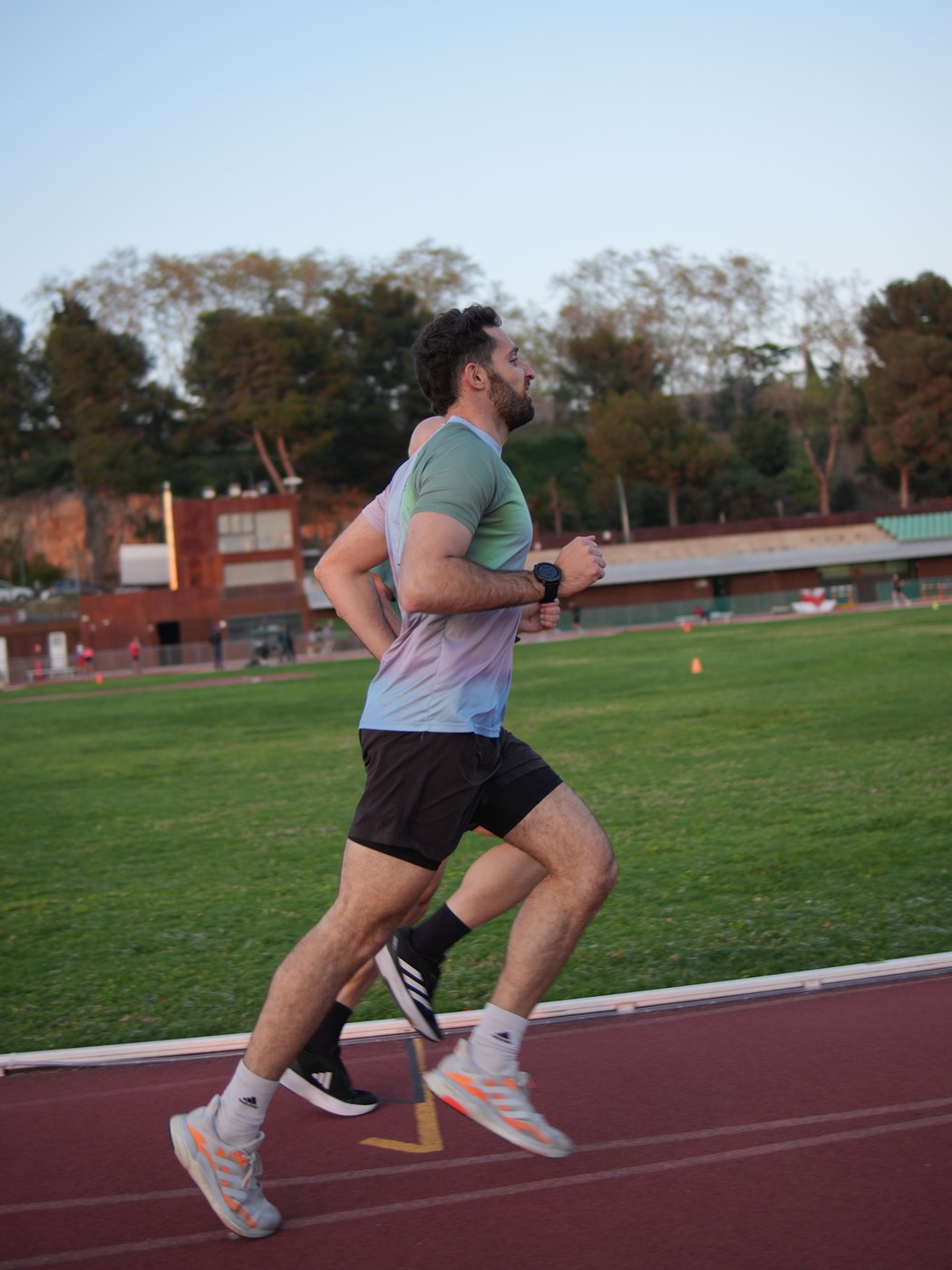
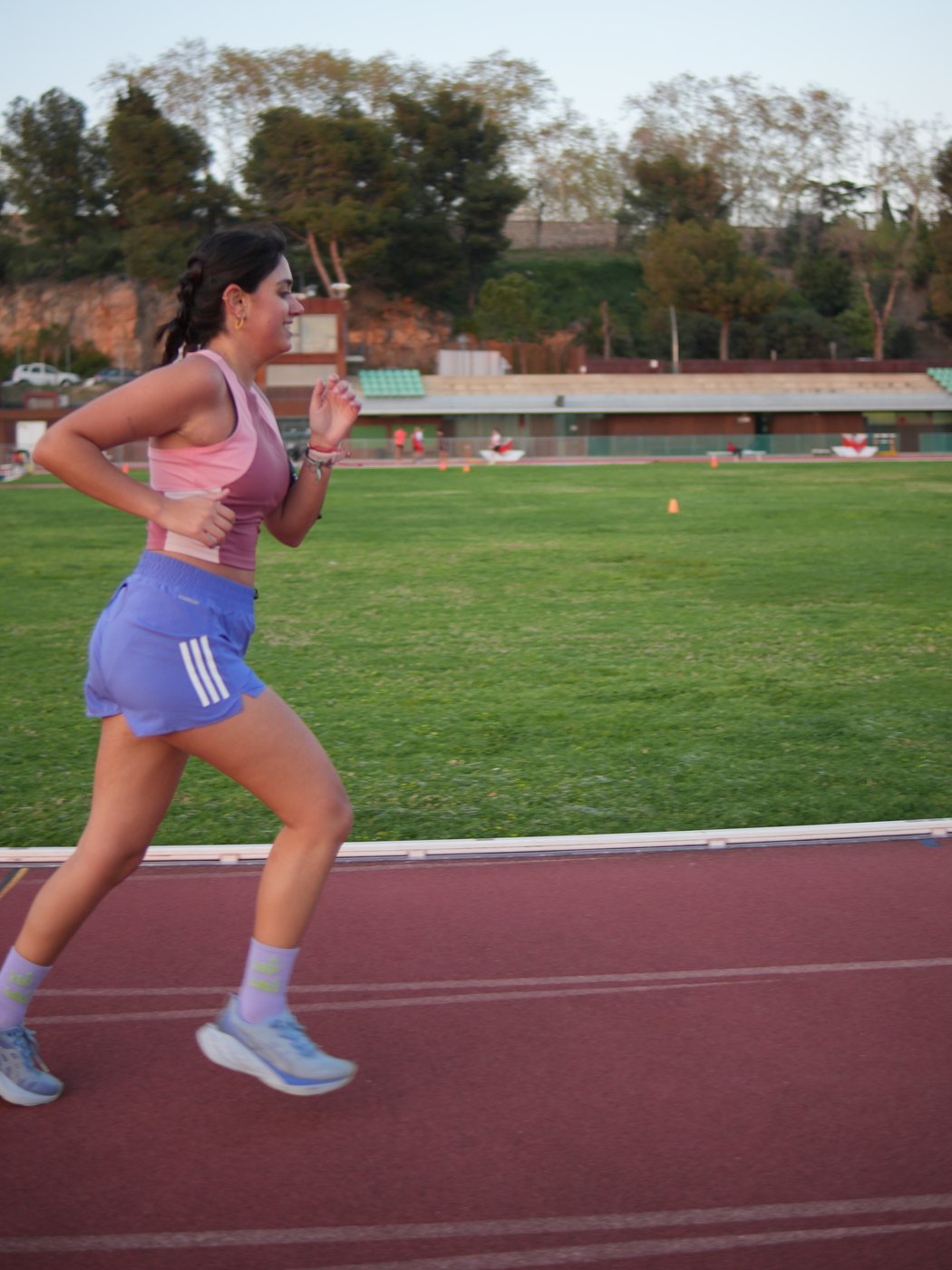
Your stride can be trained too.
Beyond the kilometres
01
Assessment
Your history, your times, your niggles and how much time you really have.
02
Strength
The base that protects your joints and improves your running economy.
03
Technique
Small adjustments to your stride that you notice in every kilometre.
04
Planning
In cycles, so you reach your race in your best shape.